

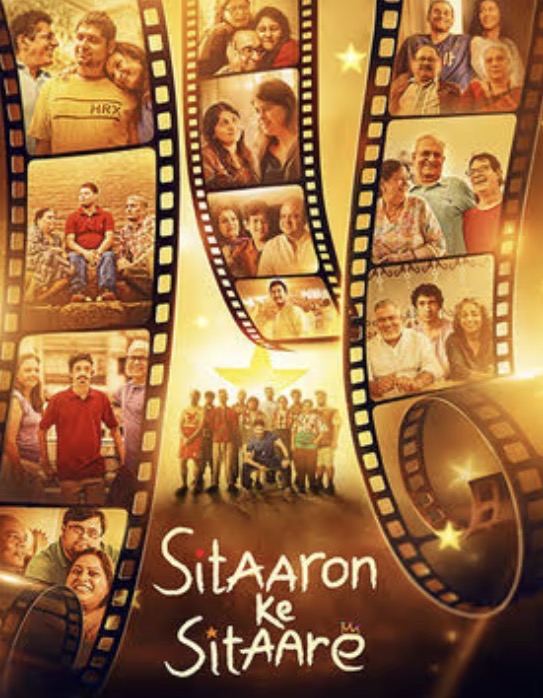
 There is no one in our film industry like Aamir Khan. He proves it again with Sitaaron Ke Sitaare, a companion piece to Aamir’s feature film Sitaare Zameen Par earlier during the year about a group of specially abled youngsters conquering the basketball court.
Sitaaron Ke Sitaare takes us backstage to meet the parents of those ten special kids in Sitaare Zameen Par, their everyday struggles to bring up their neurodivergent child with hope and dignity.
This could have easily been the schmaltz special of the year. Miraculously, it is freed of over-sentimentality. Sure, the tears flow, how could they not, in this film (I am not going to diminish its impact by calling it a documentary). But the tears are never induced for effect. The feelings and sentiments of these brave, unvanquished parents are so tangible that I felt like a complete fraud in comparison.
Why me? Is the first thought that struck these parents when they got to know that their child would never be neurotypical.
Thank God, it was me! This is the note of hope that this wonderful film and its unconquerable bias-fighters leaves us with.
Sitaaron Ke Sitare is much more than a behind-the-scenes chronicle of parental gallantry. It is a love letter to hope and providence. What director Shanib Bakshi has done is to remind all of us out here why we need to be more compassionate in our daily workings, why we need to stop worrying about when the next episode of Emily In Paris would drop and start looking at life beyond the rose-tinted glasses, 3D or otherwise.
Ironically, hope came to these unvanquished parents from the film world when Aamir Khan offered their child a chance to be up on the silver screen. While the second-half of the film diligently accrues snatches and montages from the making of the movie Sitaare Zameen Par, the first, much more rewarding, half takes us into the lives of the parents of these children of a lesser God.
Every parent who speaks to us about his or struggle to bring sunshine into their atypical child’s life, deserves a standing ovation. Every inch of the space in this lengthy homage to parental resilience is occupied by images, thoughts and ruminations that whisper to divinity.
When a mother says, “I must be the only parent who wishes her child would go before her,” or when another mother recalls their neighbour excluding her son from a birthday party, your heart will break and then miraculously be healed by the sheer grit and optimism of these fathers and mothers and their very special lives.
After Homebound, Sitaaron Ke Sitaare is the best film I’ve seen in 2025. Send it to the Oscars next year. There can be no better testament to human resilience.