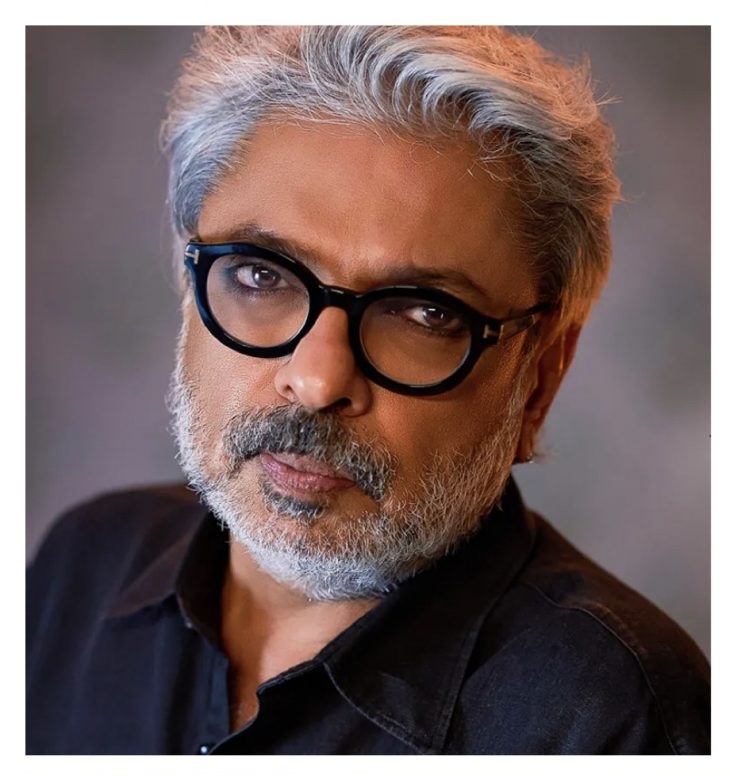
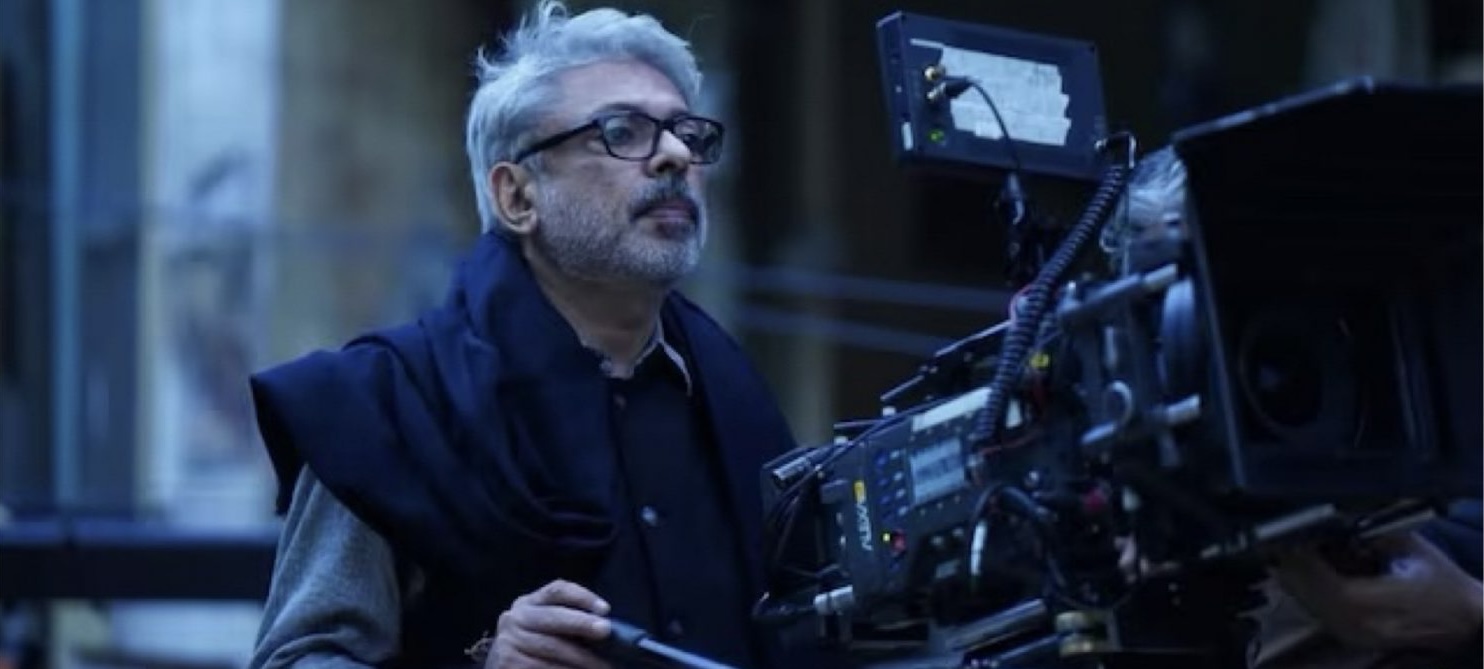
 Subhash K Jha, in this special feature, celebrates Sanjay Leela Bhansali’s cinema on his birthday. Turning the spotlight on the Bhansali, who has directed 10 films, each a masterpiece in its own right, lists his picks of the best of the best… so far.
Khamoshi: The Musical (1996):

Some say SLB’s first film, about the beautiful, vulnerable Annie (Manisha Koirala) trying to cope with the possessive demands of her deaf and mute parents (Nana Patekar, Seema Biswas), is still his most honest work. The truth is Khamoshi fell prey to dishonesty when the original tragic ending of Annie’s death had to be changed on distributors’ demand. The dark, passionate, redemptive tale was rejected on the day it was released. Rejection reminds us of Madhuri Dixit and Kajol… they both turned down the lead role. Manisha immortalized herself with her porcelain looks and delicately nuanced performance. True to character, Nana had huge altercations with the director over the role’s interpretation. Salman sportingly slipped into a supporting role, just to give his friend a boost up in his directorial debut.
Hum… Dil De Chuke Sanam (1999):

There is certainly a magic at work here, a magic that emanates from the elegant romance between Aishwarya Rai and Salman Khan, set in the spicy, aromatic bustle of a large, upper-class Gujarati household. The fact that the pair actually fell in love helped add passion to the pristine relationship between ‘Nandini’ Aishwarya and ‘Sameer’ Salman. Salman was keen that his character ‘get’ Aishwarya at the end. He even sought Sooraj Barjatya’s help to convince SLB. Ajay Devgn was surprisingly effective as Nandini’s husband who takes upon himself the task of reunitiing his wife with her lover. The idea of such illimitable nobility was inspired by Mani Ratnam’s Moun Ragam. Some say this is SLB’s tenderest work to date.
Devdas (2002):
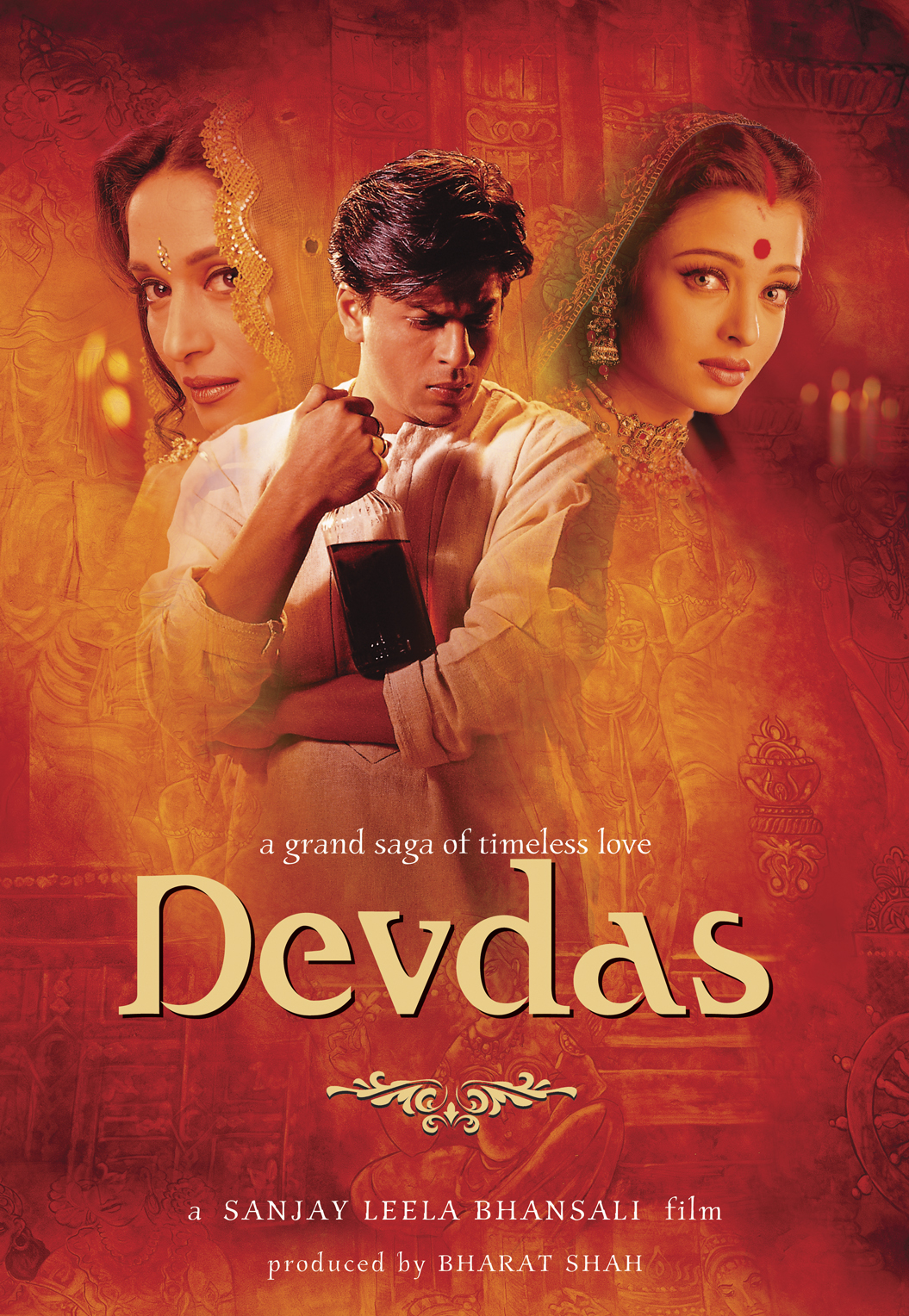
Twenty-four years ago, made at a staggering budget of Rs 60 crores (which is today’s equivalent of Rs 200-250 crores), SLB’s version of the classic Saratchandra saga of love, loyalty, betrayal, and redemption was a giddying opera of exacerbated emotions and heightened drama. The stunning visuals, the opulent sets, and the mystical, magical song-and-dance sequences made this version of Devdas a masterclass on ‘The Bollywood Dream.’ Many found the film’s excessive emphasis on opulence to be overpowering. But to this day, Devdas remains SLB’s most patent work.
. Black (2005):

Many think Black is the minimalist counterpoint to the extravagance of SLB’s previous work, Devdas. Nothing could be further from the truth. Though the film was outwardly the stark story of the relationship between a physically disabled/specially-abled girl and her teacher, underneath the political correctness of the theme, the film screamed with epic ecstasy in every frame. With extraordinary central performances by Rani Mukerji and Amitabh Bachchan, Black, was a stunning ode to the spirit of resilience and tenacity, done in flamboyant shades. Even the snowflakes were measured in their beauty.
Saawariya (2007):

Saawariya is SLB’s most misunderstood film to date. Intended as a play-on-film, this exceptionally unorthodox experiment with form prompted boos galore from critics and the audience. It creates a self-contained world of fantasy landscape and wispy love, held together by the most spectacular debut in years. Ranbir Kapoor as Raj, the waif with a heart of gold and feet like Fred Astaire, was a prized discovery. The film needs a second less excitable reading. Go beyond the blue veneer and discover the multi-hued heart.
Guzaarish (2010):

SLB’s third and last film about the desperate longings of the physically disabled, this one starred Hrithik Roshan in a stellar, if somewhat all-knowing performance as the person with paraplegia who would rather die than remain progressively dependent on his beautiful nurse, played by Aishwarya Rai. There was much to be admired about how the director cut his scenes to bring out the fugitive anxieties of a protagonist on the brink. But somehow, this remains SLB’s most unfinished work.
Goliyon Ki Raaslila Ram Leela (2013):
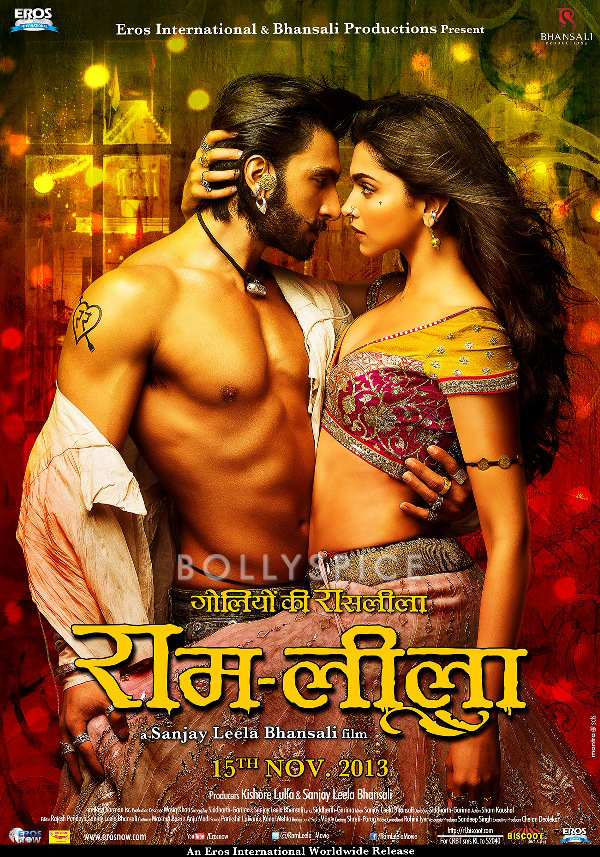
A raunchy Gujju Romeo & Juliet with Ranveer Singh and Deepika Padukone sexing up their on-screen chemistry with loads of innuendo and bawdy backchat. Deepika has said that there is a raunchy side to her director. She’s right. SLB gave free rein to that side of his personality, bringing a rumbustious irreverence into the reckless romance between a pair separated by ancestral animosity.
Bajirao Mastani (2015):
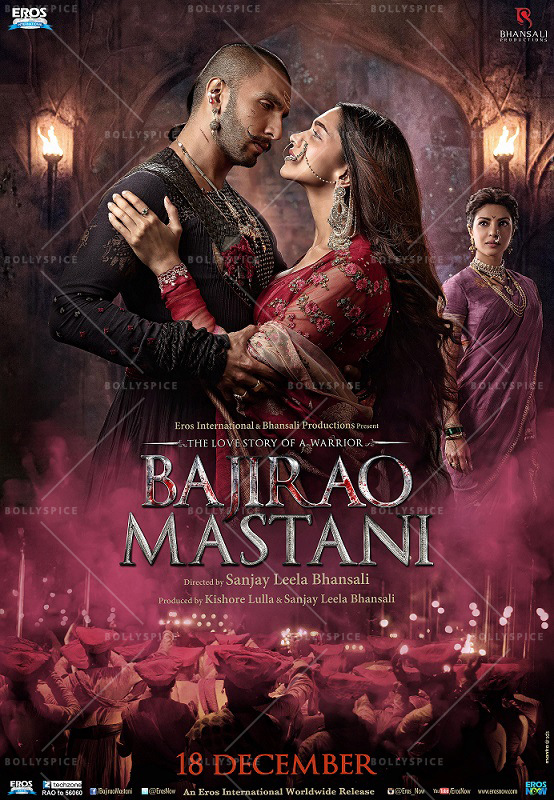
The director is in full form. A grand royal epic about two extremely volatile warriors from enemy territory in love, Ranveer Singh and Deepika Padukone bring to the epic saga a compelling hate-to-love conflict that we last saw in K Asif’s Mughal-e-Azam. Tonally tempestuous and yet eschewing the operatic extravagance of Devdas, Bajirao Mastani shows its director at the peak of his powers.
Padmaavat (2018):

Almost every moment in the story that Bhansali tells of the royal Queen Padmavati and the Islamic invader who lusts after her is pure magic. The mesmerizing mise-en-scène hooks you from the word go when, in a spellbinding introduction, the Queen on a hunting trip manages to wound Raja Ratan Singh, in more than one. Love–stuck and besotted, Shahid Kapoor’s Ratan Singh makes it very clear that he would do anything in his power to protect the beauty and sanctity of the woman he falls in love with and marries. The climax, with all of Rani’s female entourage fighting off the advances of Khilji by hurling hot coal bricks on him, is a reverberant homage to Ketan Mehta’s Mirch Masala. Remember Naseeruddin Shah’s moustache-twirling subedar in Mehta’s film, lusting after the feisty Sonbai (Smita Patil)? Bhansali’s Padmaavat echoes Sonbai with heartening whoops of joy. Indeed, this is a film that pays a homage to the greatest filmmakers of the country, Raj Kapoor and K Asif.
Gangubai Kathiawadi (2022):

Original, provocative, savage, passionate, and supremely optimistic in spite of its bleak setting, Gangubai Kathiawadi shows us why Sanjay Leela Bhansali stands heads and shoulders taller than the, ha ha, competition. This is the magic of Sanjay Bhansali at its crest. He touches the highest notes and yet remains lucid and articulate. Every episode in Gangubai is exquisitely crafted and punctuated by an exclamation mark. Every emotion is italicized. The revved-up energy of the storytelling never compromises the protagonist’s inherent gumption and a sense of self-worth that makes her a natural-born leader among the sex workers of Kamathipura. Gangubai’s tryst with destiny is a gorgeous metaphor on the ‘Fallen Woman’, a favourite prototype of Hindi cinema since Guru Dutt’s Pyaasa. Except that Gangubai refuses to fall. Her ‘Fallen Woman’ stands tall.