
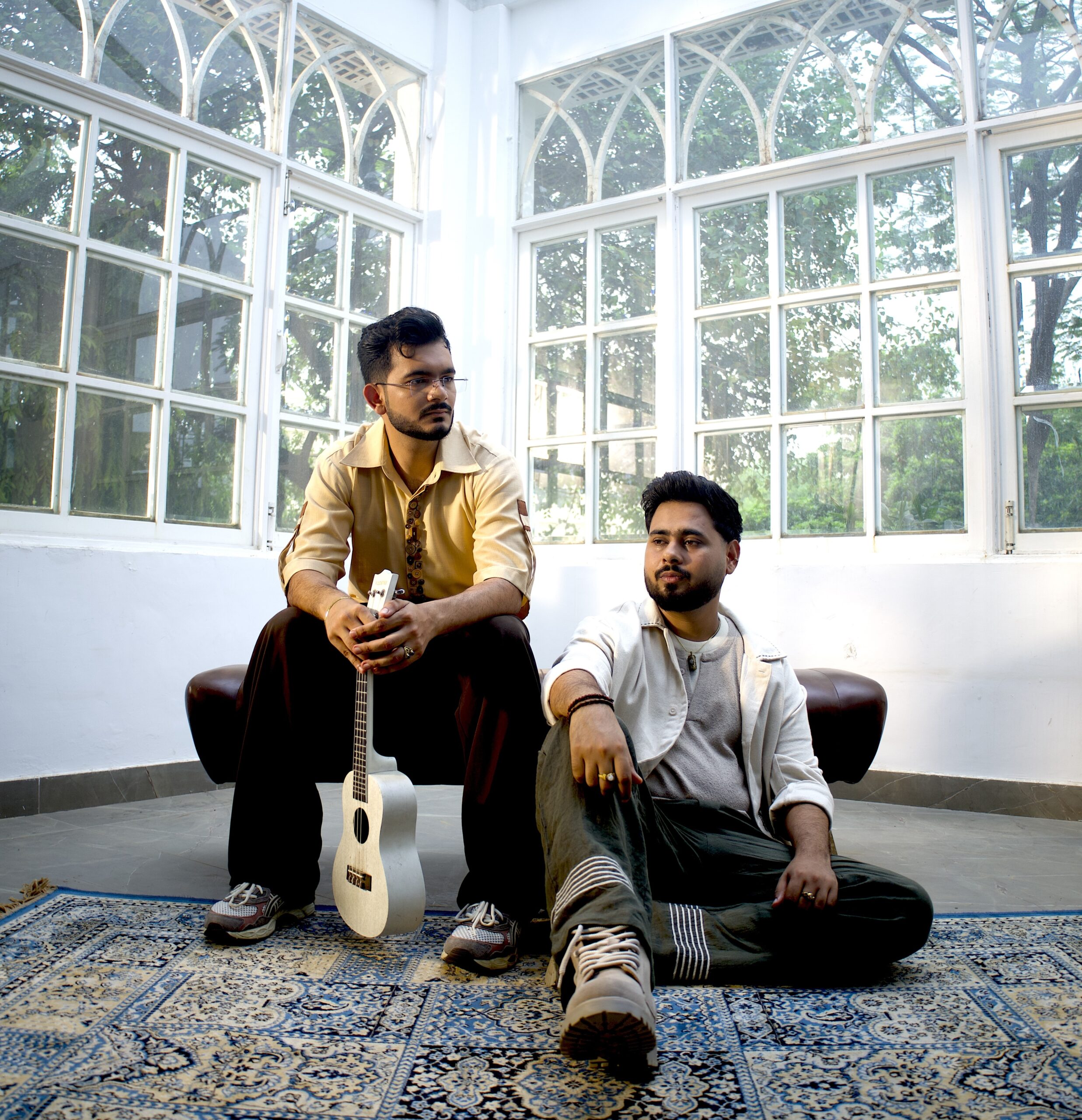
 A new band is making waves on the independent music scene in India. Brothers Sumit and Anuj are Banjaare, a Haryanvi music group with a hip-hop world music vibe that is gaining fans galore, massive replays, and even really cool special collaborations, and it has only been 2 songs!
In this special Q&A, we go behind the music with Banjaare.
Was music something you always wanted to do?
Not really, at least not as a career. Music was always around us, and we always loved it, but growing up, we never thought that one day this would become our life. It was during lockdown that we started seriously thinking about what we actually wanted to do. We realised that if there was something we genuinely wanted to give our all to, it was music. That’s when we decided to pursue it professionally. We made the decision that we would stop treating music like something we did on the side and actually make it our profession. The name Banjaare came from that feeling of wanting to keep moving, exploring, and finding our own path.
Banjaare is basically the story of two brothers figuring things out together. We started making music, experimenting, and putting songs out without really knowing where it would take us. We’re still figuring it out as we go, but that’s also what makes the journey exciting.
How would you describe your music?
It’s Haryanvi at its core, but we don’t want to put a strict definition around it. We take the language, emotions, and stories we grew up with and mix them with the sounds we naturally listen to. We like music that feels honest. We make music for the heart, not for the charts. If something genuinely connects with people, everything else follows.
I love the blend of contemporary flavors with the rich South Asian depth; tell us how that sound became your musical landscape or soundscape.
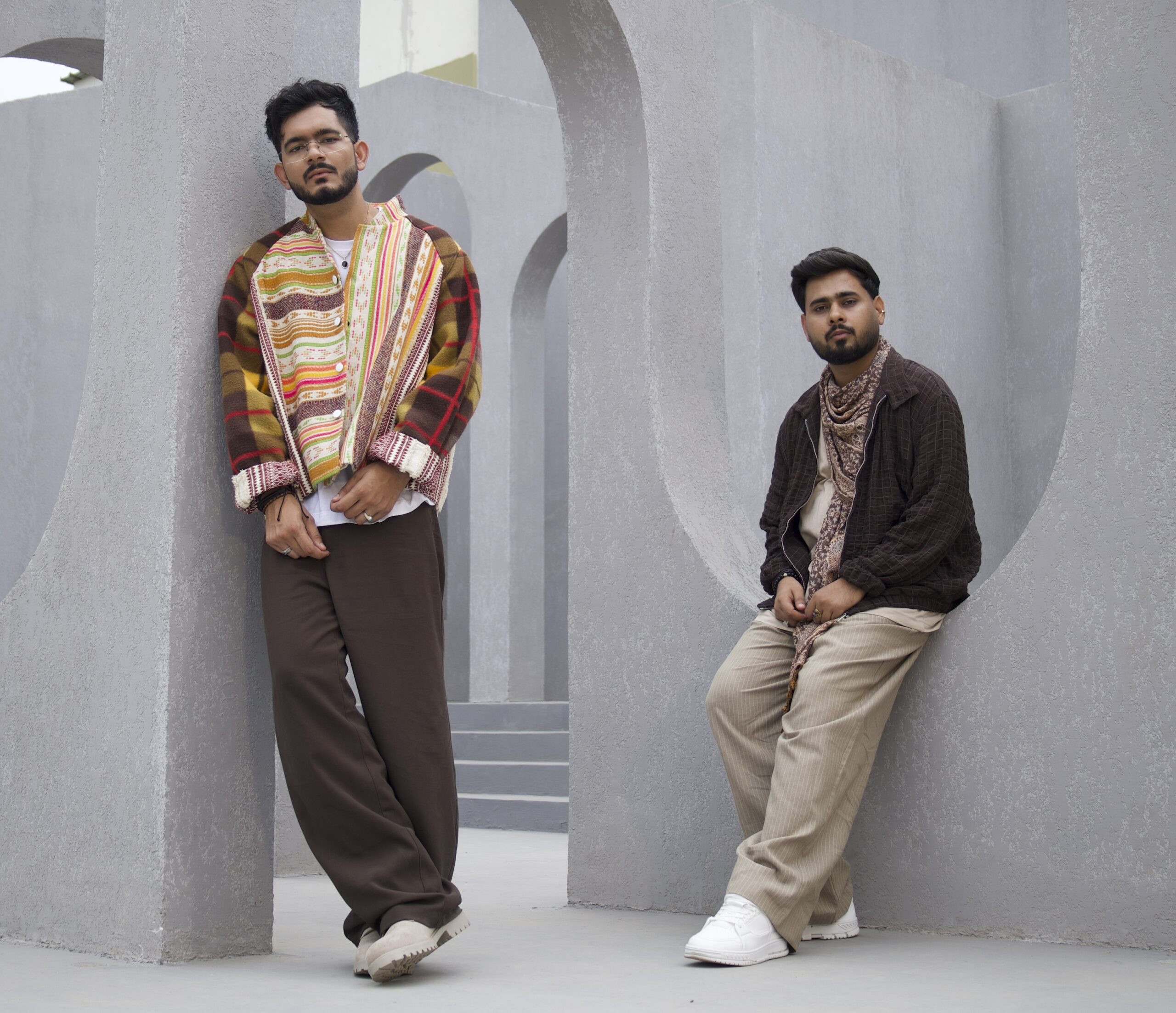
I think it happened quite naturally. We grew up with Haryanvi and Indian music, but we were also listening to music from all over the world. So when we started creating, we never really thought about keeping those worlds separate. Whatever we were listening to, feeling, or experiencing would naturally find its way into the music. For us, the goal is not to make our roots sound “modern” just for the sake of it. We want to keep the soul intact and let the production evolve around it.
What influences what you write and sing?
A lot of it comes from real life — relationships, people around us, our own experiences, our hometown, conversations, and things we’ve seen growing up. Sometimes it can be something as simple as a line someone says, or a feeling you have that stays with you. We don’t really force ourselves to write about a particular topic. Usually, the emotion comes first, and the song follows.
Your debut track was ‘Bairan’, a huge, huge hit; take us behind the music for this song.
‘Bairan’ was very special because when we made it, we had no idea what it would become. We were just trying to make a song that felt like us. There wasn’t a big strategy behind it. We spent a lot of time getting the melody, lyrics, and production right, and then we put it out. The response completely surprised us. It started travelling beyond our immediate audience, and suddenly we were seeing people everywhere connecting with a song in Haryanvi. That was a very special feeling.
How did it feel for it to be such a success?
Honestly, it took us some time to process it. When you’re making music in a room, you don’t imagine millions of people listening to it. So seeing ‘Bairan’ reach those numbers, the charts, and audiences across the country was surreal. But the best part wasn’t really the numbers. It was seeing people make the song part of their lives — singing it, sharing it, playing it with their friends. That’s what made it feel real to us.
Tell us a little about your newest song, ‘Barsaat’, which I love, by the way!
Thank you! ‘Barsaat’ is very close to us because it’s a much more vulnerable song. It’s about that feeling of missing someone and knowing that you can’t go back to what you had. There’s pain in it, but there’s also a sense of acceptance and letting go. We wanted the music to leave enough space for the emotion instead of trying to make everything too big. It’s one of those songs that we hope people can listen to alone and feel like it’s speaking directly to them.
‘Barsaat’ had this cool Spiderman: Brand New Day movie tie-in; can you talk about how that came about?
That was honestly one of the most unexpected things to happen to us. Sony approached us about creating a special version of ‘Barsaat’ connected to Spider-Man: Brand New Day. It was exciting because the song was something very personal to us, and suddenly it was being connected to such a massive global franchise. For us, it was also a really cool example of how a song in Haryanvi can travel into spaces you wouldn’t necessarily expect. We’re very grateful that ‘Barsaat’ got to be part of that world.

What do you think makes your music special?
Probably the fact that we don’t try too hard to make it special. We write and sing about things we actually feel, in a language that comes naturally to us. There’s a certain honesty in that. We’re not trying to sound like anyone else or make music just because we think something will work. We’re just trying to make songs that we would want to listen to ourselves.
India is mostly a movie soundtrack-driven scene, but it seems independent artists are coming into the light even more now—thoughts on that and your journey.
It’s a really exciting time for independent music in India. For a long time, people associated Indian music very heavily with films, but now listeners are actively discovering artists and following them because of who they are. Our own journey is a good example of that. We started independently, put our music out ourselves, and slowly built an audience. We’re grateful that people are now more open to discovering music outside of films. There’s still a long way to go, but the space for independent artists is definitely growing.
What is music to you?
Music is probably the most honest way we know how to express ourselves. Sometimes you can’t explain what you’re feeling in a conversation, but you can write a song about it. For us, music is emotion, memory, and a way of connecting with people without even knowing them. It’s also become our life now, so it’s difficult to separate who we are from the music we make.
What do you hope audiences feel when they listen to your songs?
We hope they feel something real. It doesn’t necessarily have to be happiness or sadness. If a song reminds someone of a person, makes them miss someone, gives them confidence, makes them want to dance, or simply makes them sit quietly for a few minutes — that’s enough. We don’t want to tell people what to feel. We want to give them something they can feel in their own way.
What is coming up next?
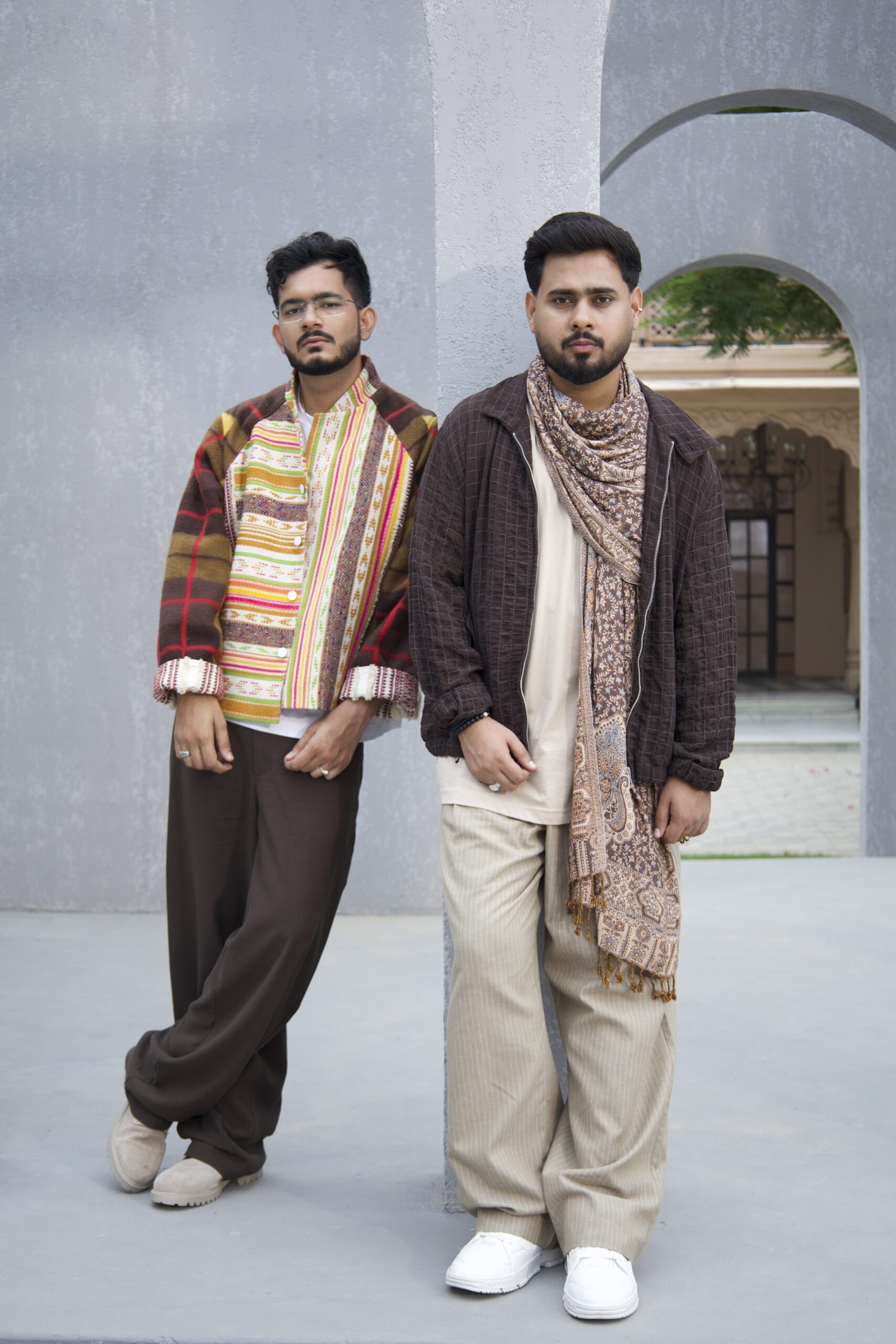
A lot more music. We’re also looking forward to doing more live shows and collaborations, and to experimenting with sounds we haven’t explored before. We don’t want to keep repeating what worked with ‘Bairan’ or ‘Barsaat’. We want to keep moving and surprise people, while still keeping Banjaare’s identity intact.
Honestly, we feel like we’re still at the beginning. There’s a lot we want to do, and we’re just getting started.