
 In Ranabaali, now streaming on Netflix, a queerly sadistic drama about a ravaging famine, there is a hunger to show graphic brutality perpetrated by one hairless evil British coloniser who looks like he has just pigged on human flesh. By the time this sadistic coloniser (played by South African actor Arnold Vosloo) gets down to peeing in, and throwing a child into a boiling cauldron of rice , I was ready to throw up.
Has the director of Ranabaali ever heard of restrained imagery and insinuated violence? Has he heard of Satyajit Ray’s Pather Panchali, Mrinal Sen’s Akaler Sandhane and Ashutosh Gowariker’s Lagaan, the great films about famine and what hunger does to human beings?
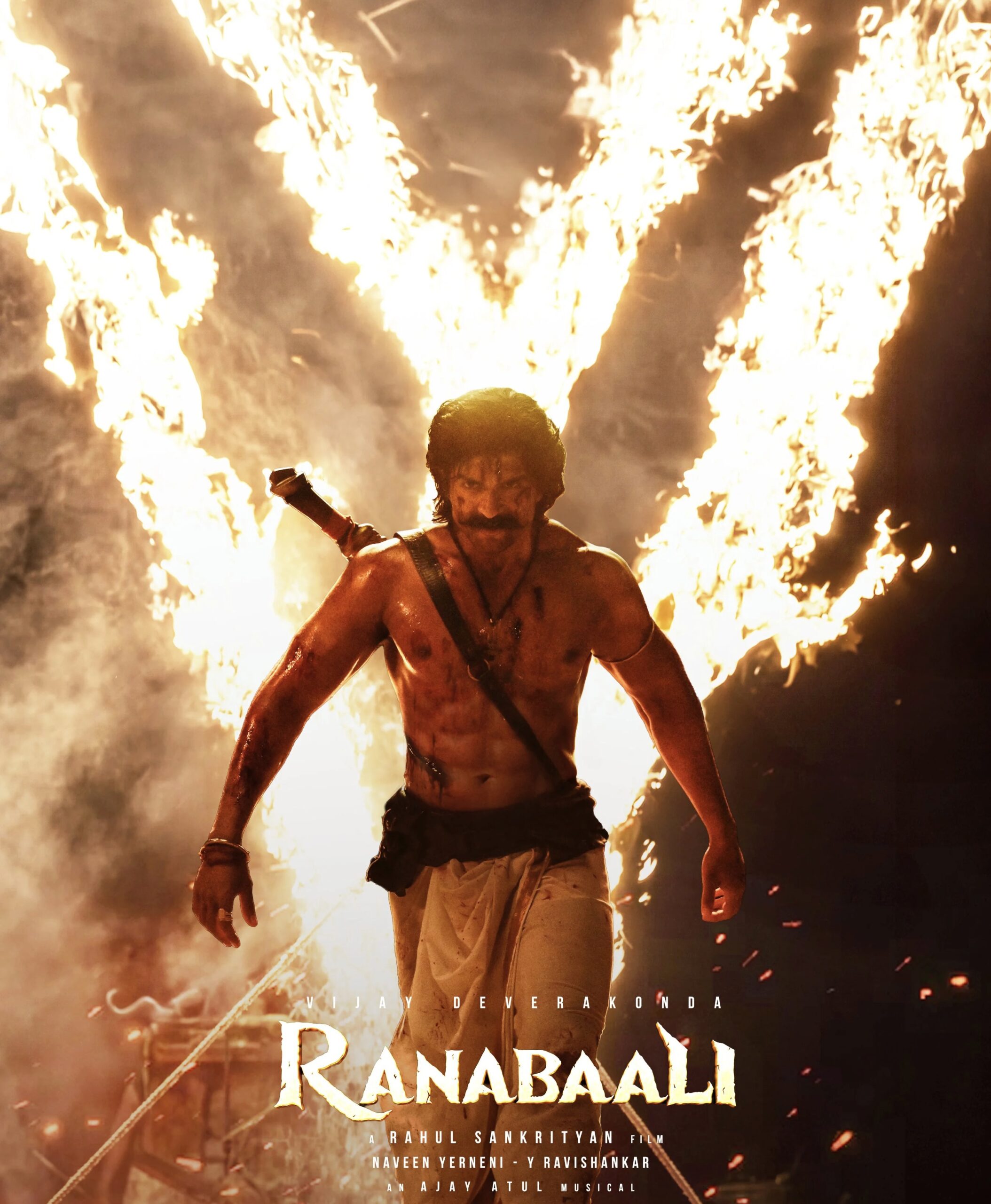
By piling on the most obnoxious scenes of violence on junior artistes (all of whom look like they haven’t bathed or eaten since God invented man-unkind) and then bringing in a folk hero (who twirls his moustache flashes fire and ire from bloodshot eyes and plays the anti-British messiah as though he had just seen the full Ramayan and Mahabharat series) to justify the stomach-churning carnage, the lengthy tortuous film does itself no favour.
Ranabaali is one stetetched-out absurd litany of torture and sadism, a kind of pointless peverse take on 12 Years A Slave where the colonists’ atrocities are so graphic, the breaking point between the filmmaker’s perception of brutality and the audiences’ response to it, is reached within no time.
I remembered The Underground Railroad (2021). In the first episode of Barry Jenkins’s miniseries, an enslaved man named Big Anthony is chained, hoisted over a fire, and burned alive slowly in front of the plantation while others are forced to watch. A similar torture scene appears in 12 Years a Slave (2013). In Steve McQueen’s film, Solomon Northup is left hanging by his neck from a tree all day with only his tiptoes barely touching the mud to keep from choking.
In both experiences of extreme torture perpetrated by a coloniser the audience is forced to watch as mute spectators, the evilly empowered crushing the weak.
In Ranabaali, the endless scenes of torture feel like brutality-porn. The endresult is often laughable. In one notable episode of brutality burlesque, the hero rips open the dying heroines stomach with a knife to save their child before the heroine dies.An entirely unexpected twist to caesarean delivery.
We are supposed to watch this manifestation of hilarious horror in rapt attention. This craving to shock us with inconceivable pain and torture runs through the film, rendering the entire process of colonial justice into a vaudeville of violence.
The British characters are all uni-dimensional caricatures. Th Indians are cowering, starving, miserable qusi-slaves better dead than fed. Except of course the hero and the heroine who are cleanly dressed, immaculately groomed and well fed while a famine rages all around them.
At one point in the harrowing tale, the pregnant heroine sings a song of appeasement to starving children. The plaintive song ends with the young people drinking water in lieu of food. The sequence serves as an ample metaphor of what the film tries to achieve: it milks misery for entertainment finally comes up with an indigestible concoction on human savagery.
I have deliberately chosen not to mention the name of the actors or the director. It is not their fault that Ranabaali has not turned to be the hardhitting take on colonial injustice it was meant to be. They just didn’t know any better. In glorifying the leading man they sidetracked a basic respect for cinematic aesthetics.