
 There is so much nonsense written about nepotism in the entertainment industry. Why is it so shocking if an actor’s offspring wants to be an actor?
If an entrepreneur’s laadla can look after Dad’s empire (giving dad Ambani…I mean, company) why is it so wrong for Rishi Kapoor’s son or Amitabh Bachchan’s or Suniel Shetty’s son to want to be actors?
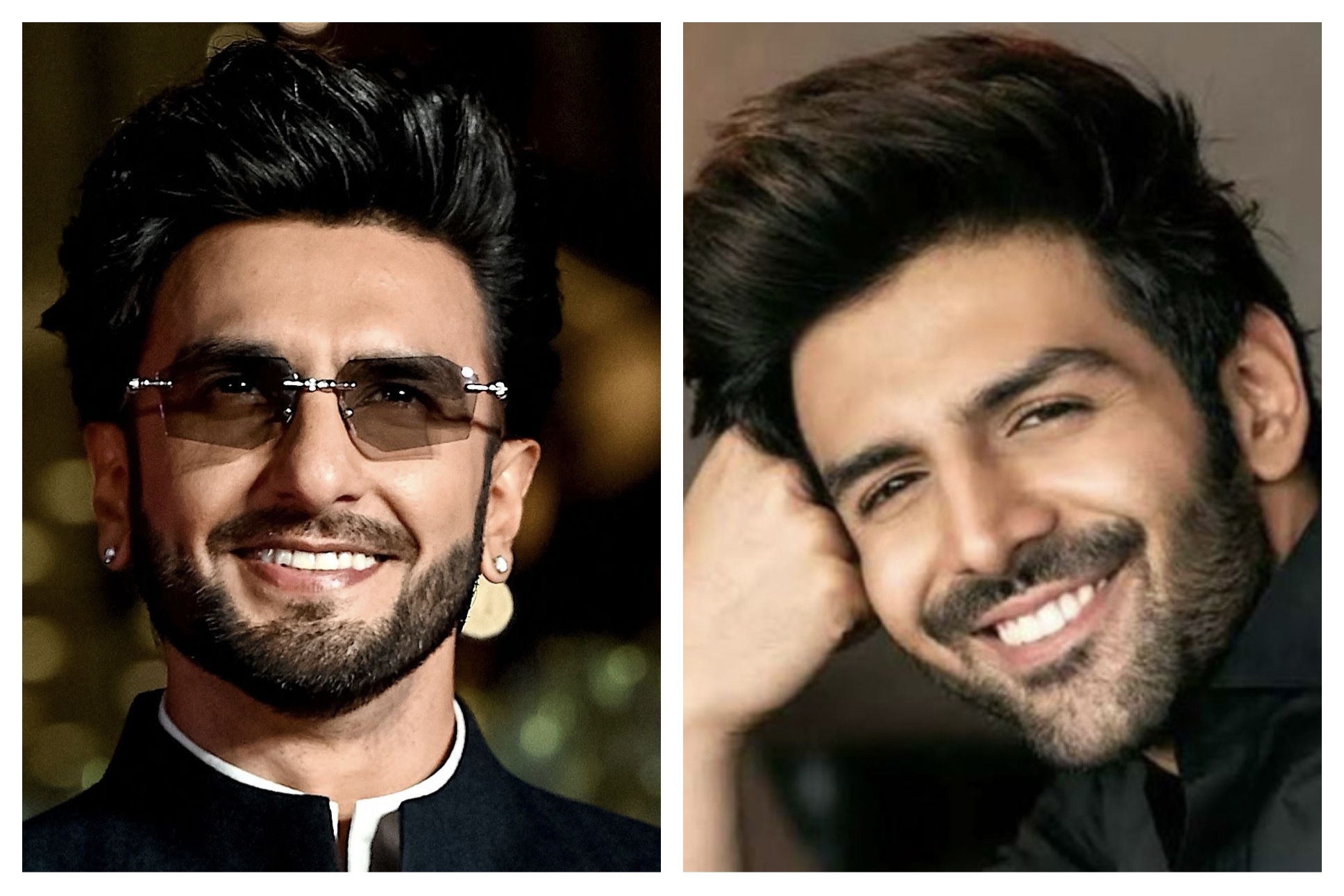
A more pertinent point: if nepotism is supposed to be such a strong driving force in the film industry why are Ranveer Singh and Kartik Aaryan regarded as the two brightest most sought-after star-actors of the post Ranbir-generation, way ahead of their contemporaries?
The “N” word makes all of us movie buffs look inward. Is Bollywood really a den of nepotism? But if we look at the history of Hindi cinema, the star-kid syndrome is relatively recent. It started when Raj Kapoor’s son Rishi Kapoor made his debut with Bobby. Prior to that all the major stars, from Dilip Kumar, Dev Anand, Raj Kapoor in the 1950s to Rajendra Kumar, Jeetendra, Dharmendra in the 1960s to Rajesh Khanna and Amitabh Bachchan in the 1970s, were outsiders.
Thereafter, star-kid after star-kid was launched with much fanfare. And yet there are outsiders with zero connections in the film industry, no money (Ranveer Singh was an outsider who never had to worry about his meals), who broke through in spite of nepotism ruling the roost.
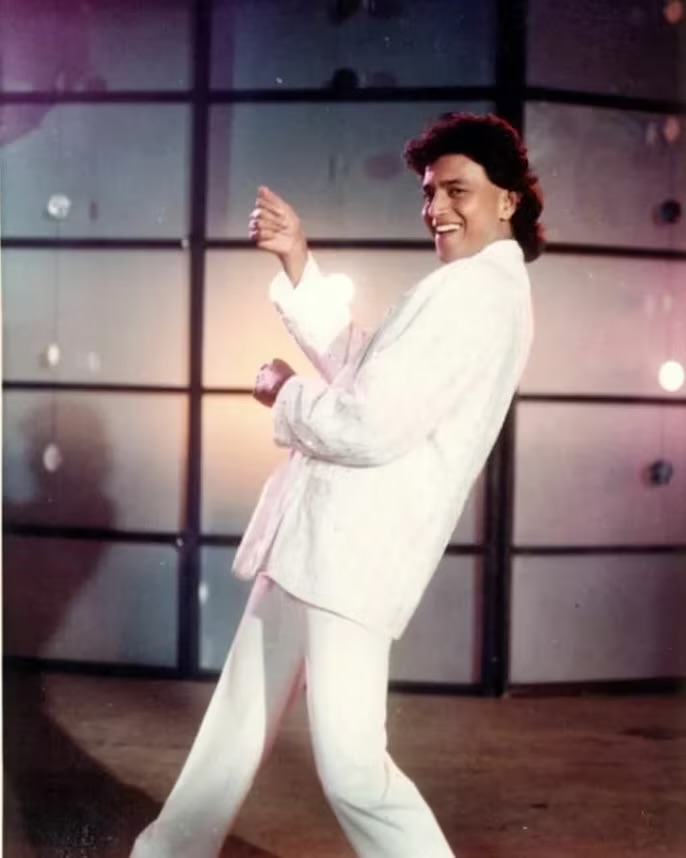
Mithun Chakraborty, with his bronze skin and sinewy personality, was the last man we expected to become a star at a time when second-generation stars from within the Mumbai film industry had begun to take over. Mithunda came with no recommendations, and signed Mrinal Sen’s offbeat Mrigaya . His dancing skills which he used to flaunt at weddings to earn his meals, held him in good stead in breaking into commercial cinema. He soon became Bollywood’s first male dancing star, and the king of B-grade musicals. Bappi Lahiri and (director) B Subhash were Mithunda’s closest allies in the plan to become a superstar of the masses.
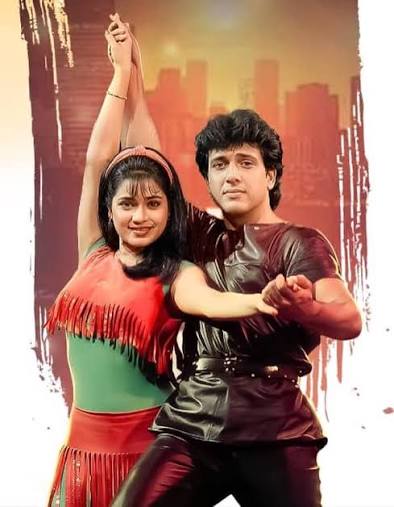
The era of start-kids was rampant when a boy from the chawls decided to become a star. Govinda had no connections, no contacts, not even a place to stay in Mumbai. We don’t know if he slept on the footpath like Mithun Chakraborty did. But he certainly pushed himself into producer Pahlaj Nihalani’s range of attention with his dancing skills. Nihalani had started shooting for Ilzaam with his best friend Shatrughan Sinha and Mithun Chakraborty when Mithunda suddenly opted out. Nihalani signed Govinda in Mithunda’s place. That’s how the second dancing-star of Bollywood was born.
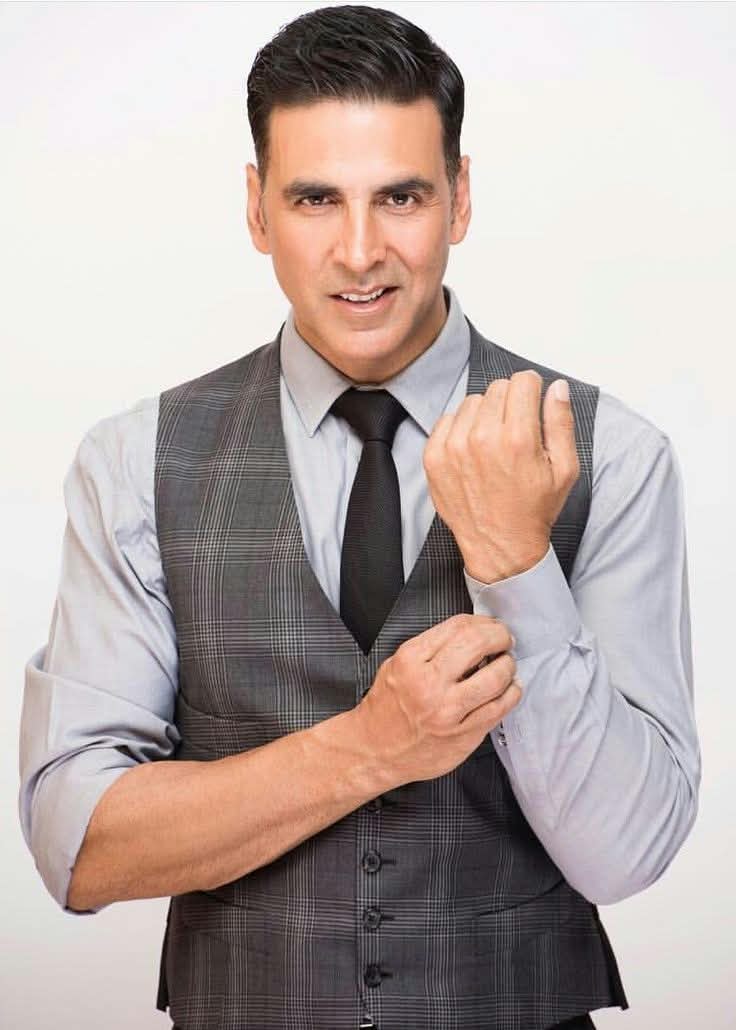
Akshay Kumar came in at a time when star-kids like Sunny Deol and Sanjay Dutt were ruling the roost. Akshay Kumar had no connections at all in the film industry. His struggle was that of an archetypal non-insider in the film industry. Akshay went from door to door trying to get producers’ attentions. They laughed at him. They told him to try his hand at some other profession. They insulted him. But Akshay held on. Until he caught the attention of producer-director Pramod Chakravarty, once a movie moghul now his career on the downslide. He signed Akshay opposite the privileged star-daughter Karisma Kapoor in Deedar. Akshay admitted he knew nothing about acting. He learnt on the job. Not a single major director came forward to sign him. He found stardom from the leftovers that the star-sons didn’t want to work in.
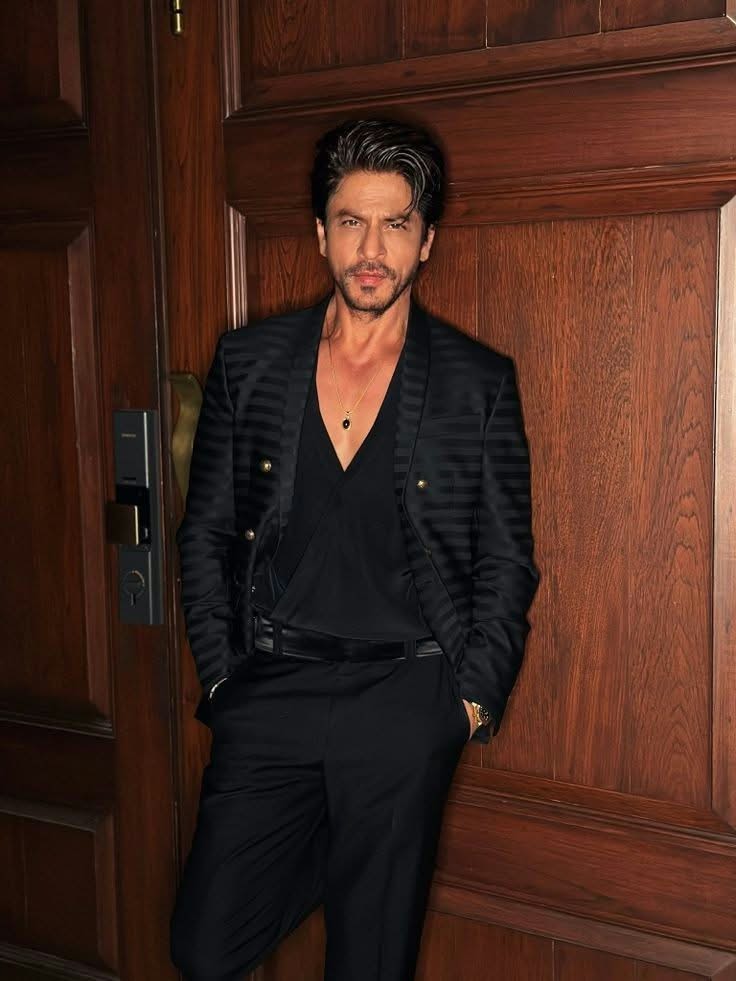
And what about Shah Rukh Khan? The boy from Delhi who followed the girl he loved to Mumbai and then decided he had to become an actor. The story of Shah Rukh’s stardom can make a terrific film. From Vivek Vaswani who gave him a home to Hema Malini who gave hin his first role (in Dil Aashna Hai) Shah Rukh represents the triumph of the outsider. While the other two (or three if you want to include Saif) Khan superstars are industry insiders, Shah Rukh became the biggest star of the post—Bachchan era without knowing a single person in the film industry.
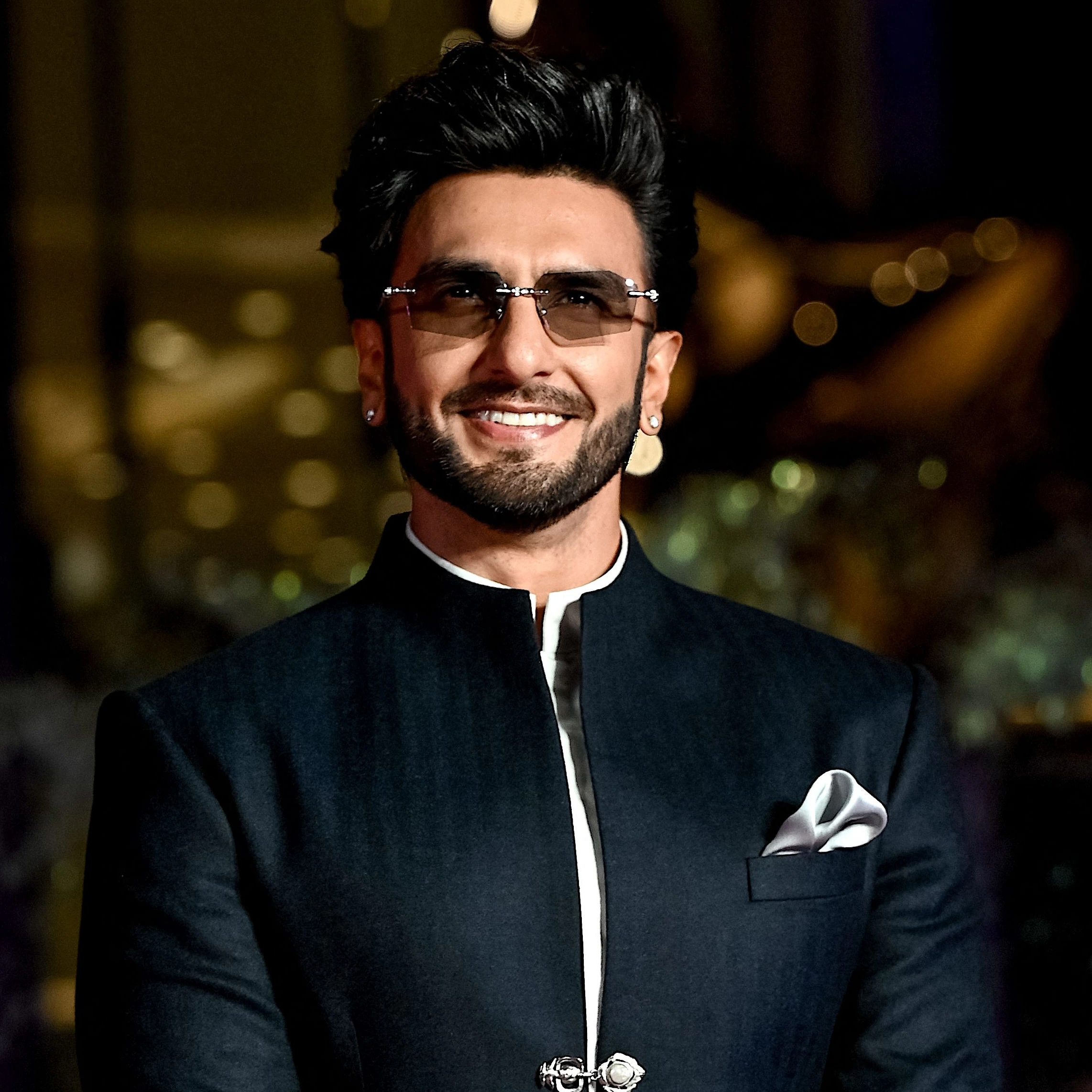
Now there are Ranveer Singh and Kartik Aaryan. Though Ranveer comes from an affluent family, he had to go through his own struggle. The rejections, the humiliation, the casting couch… ouch ouch and ouch!!! When I first spoke to Ranveer Singh on the day after his Band Baaja Baaraat released in 2010 he was respectful, attentive, eager to learn. We spoke at length about the response to the film and his career. And Ranveer said, “Thank God, no one says any more than my debut was financed by my father. That to me is my biggest victory.”
Ranveer Singh was spoilt for choices. “I think after Band Baaja Baraat I need to do completely contrasting character. Someone who is not loud, opinionated and unsophisticated.”
The suffering of waiting was over for this debutant who came in from the outside. Brimming with enthusiasm, Ranveer had said to me in 2010, “Not since Akshay Kumar and John Abraham has there been a male lead from outside the industry getting such positive reactions. I just hope my example encourages talent from outside. Because right now the perception is outsiders don’t stand a chance. I had no reference like mine to give me hope when I was going through my struggle period.”
One call from Yashraj Films changed Ranveer’s life. “It was completely out of the blue from the casting director, Shanu Sharma. I remember I was out on a date when (casting director) Shanu Sharma kept calling. I avoided her calls for as long as I could because I had other things on my mind at that moment. Imagine if I had not taken the call from Yashraj for a fling that lasted exactly ten days! Anyway, the next day I was at Yashraj doing two scenes. I got called back in three days. Later, Adi Sir (Chopra) told me he had made up his mind immediately.”
In the same 2010 interview, Ranveer said he was pleased he didn’t get a conventional romantic debut. “The story in Band Baaja Baaraat is terrific. And my character Bittu was so much fun for me to play because he’s so far removed from my own world. It was more than I could ever ask for. I was more than happy to be a simple character in a simple story. Not too many newcomers can dream of a break like Band Baaja Baaraat, certainly not someone unconnected with the film industry.”
Catty elements within the industry had spread the rumour that his father, a prosperous business man, had financed the film. Confesses the young, polite actor, “Yes, that hurt on several levels. Such ugly rumours took away from my pleasure at being the first solo-hero to be launched by Yashraj. Yeah… it was upsetting. My father and my family’s pride that I had made it on my own got blunted when it was said that they financed my debut film. It was like taking away from my little achievement. I was upset more for my parents than myself. I was also upset for Yashraj. Did they need my father’s money to make a film? The entire film industry knows Yashraj doesn’t need to do all this. It’s absurd. They don’t need anyone’s money to make films. Certainly, not my father’s.”
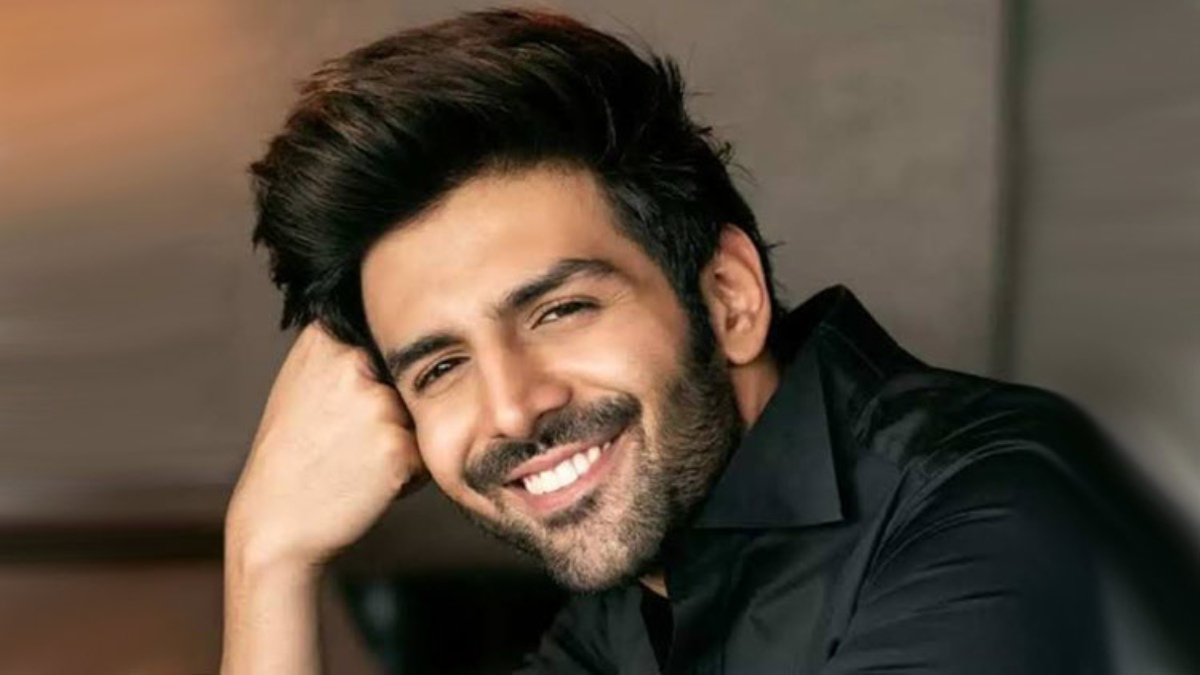
After Ranveer there is Kartik Aaryan, slowly steadily inching his way to the top. When he came to Mumbai from his hometown Gwalior he knew absolutely no one in the Hindi film industry. Initially, he stayed in a flat in Andheri with 12 other dreamers, hoping to make it big just like him.
Says Kartik, “To be honest, it was not easy for me to reach this stage. Today, a filmmaker and a producer trust me, and overall the masses hold certain expectations from my film. And if that’s how you measure one being an A-lister, then I am glad I am here. As an outsider I had to be cautious with every film I pick and how I make every role relatable and loved by the masses. I remember even after having two hits with Punchnaama series, I had to audition even post that. People knew me as the ‘monologue wala ladka’ and there was still a gap I had to fill to become a household name. So I gave my hundred percent to every film but it was Sonu (Sonu Ki Titu Ki Sweety 2018) that changed the game for me. But with that success, I doubled my hard work and made sure I put in 200% with every film. Today people know me by my name and that makes me feel good but as I said as the journey continues, so does the hardwork. I want to be number one!”
When Kartik left Gwalior he didn’t tell his family he wanted to be an actor. “My parents didn’t know I was coming to Mumbai with my secret intention of becoming an actor, they thought I was in the city just to become an engineer. So initially I stayed in Navi Mumbai near my college but made sure I go for any and every audition in Mumbai and travelled in local trains. Changed on railway stations and travelled long hours and balanced between these auditions and studies. When my parents came to know about me becoming an actor they were clear that the studies has to be completed. I loved the movies since childhood and it is this love for the movies as an audience that helps me to pick the right script. It has surely been a roller coaster ride for me in the industry. But when I look back there is only one word with which I can express my journey and that is, Gratitude! I had come from Gwalior with no connections at all, travelled in local trains, changed at railway stations, shared a room with 12 other people, faced rejection at auditions day in and day out. But one thing that stayed with me was hope. I was determined that hard work is the ultimate virtue that pays off. Today I have worked with some of the most talented directors and big banners, and when I look back, there is only one word I can say – Gratitude. And its not just today, but ever since I starred in my first film, there has been gratitude from the bottom of my heart. Right from the directors who pick me for their beautiful roles to the audiences who give love to these reel characters… gratitude is all what I had.”
Out of the thousands of dreamers who pour into Mumbai, the city of dream, only 1 or at the most 2, make it in Bollywood every five years. Kartik is one of them. Today when he is one of the 10 most saleable star-actors in Hindi cinema he has not forgotten his days of struggle when he would wait for hours to meet a producer only to be turned away without a meeting at the end of the day. Kartik’s stardom at a time when star kids are again crowding the marquee, provides hope for all the hopefuls from outside Mumbai . If Kartik can create a Dhamaka, so can others with no movie empire as inheritance .