
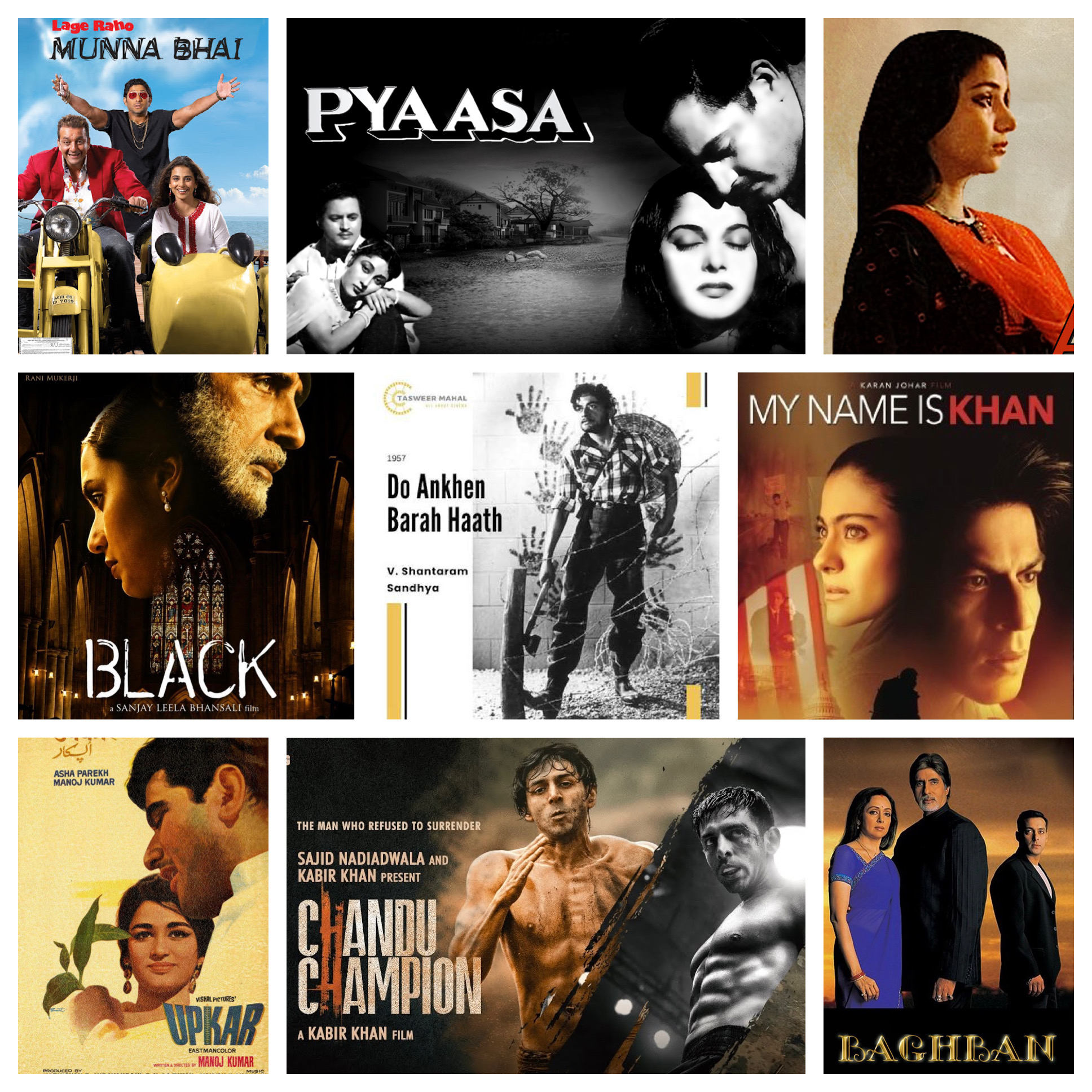
 Subhash K Jha, in this fascinating feature, shares his curated selection of 12 Indian films, spanning the gamut of movie-making eras from 1957 to 2024 and featuring some of the best actors, actresses, and directors who dared to make us stare hard at the quality of our lives.
My Name Is Khan (2013):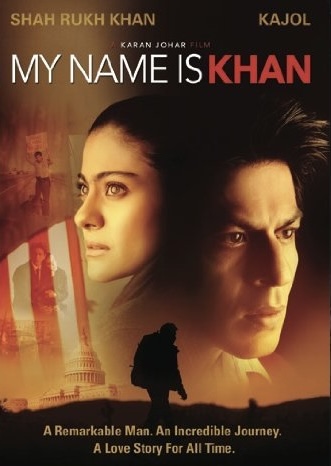
Rizwan Khan’s message of peace for the President of America needs to be conveyed to other heads of state. Pronto. Before it is too late. My Name Is Khan is a crushing blow to the politics of divisiveness next. In its deeply felt, masterfully communicated message of humanism, it stands next to Guru Dutt’s Pyaasa, Bimal Roy’s Sujata, and Hrishikesh Mukherjee’s Satyakam. All three masterpieces mentioned above lack the epic scale and emotional velocity of Karan Johar’s film. Indeed, the question that I want to ask the intelligentsia of the country: have you watched Johar’s work in his best films, especially My Name Is Khan? Why judge a book by its cover? Why judge Karan by his jacket?
Do Ankhen Barah Haath(1957):
V. Shantaram’s gritty prison drama was about an idealistic jailer (played by Shantaram) who runs a unique open jail to reform hardened criminals. The film and its soul-stirring Bhajan, ‘Ae maalik tere bande hum’ compelled many changes in the way we treat prisoners, specially on death row.
Pyaasa (1958):
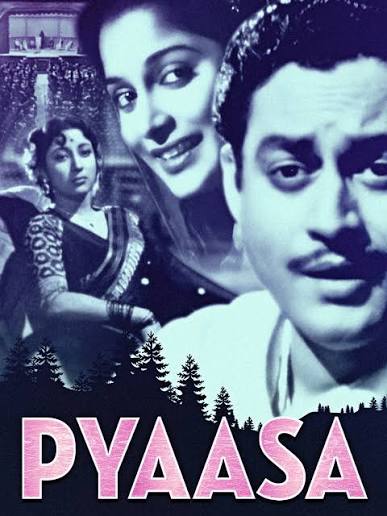
Director-actor Guru Dutt’s film addressed itself to the disenchantment of the post-Independence generation that found itself facing a moral and emotional crisis brought on by corruption and inept government. Guru Dutt’s poet Vijay was an angry but ineffectual version of the Vijay that Amitabh Bachchan later played.
Upkar (1967):
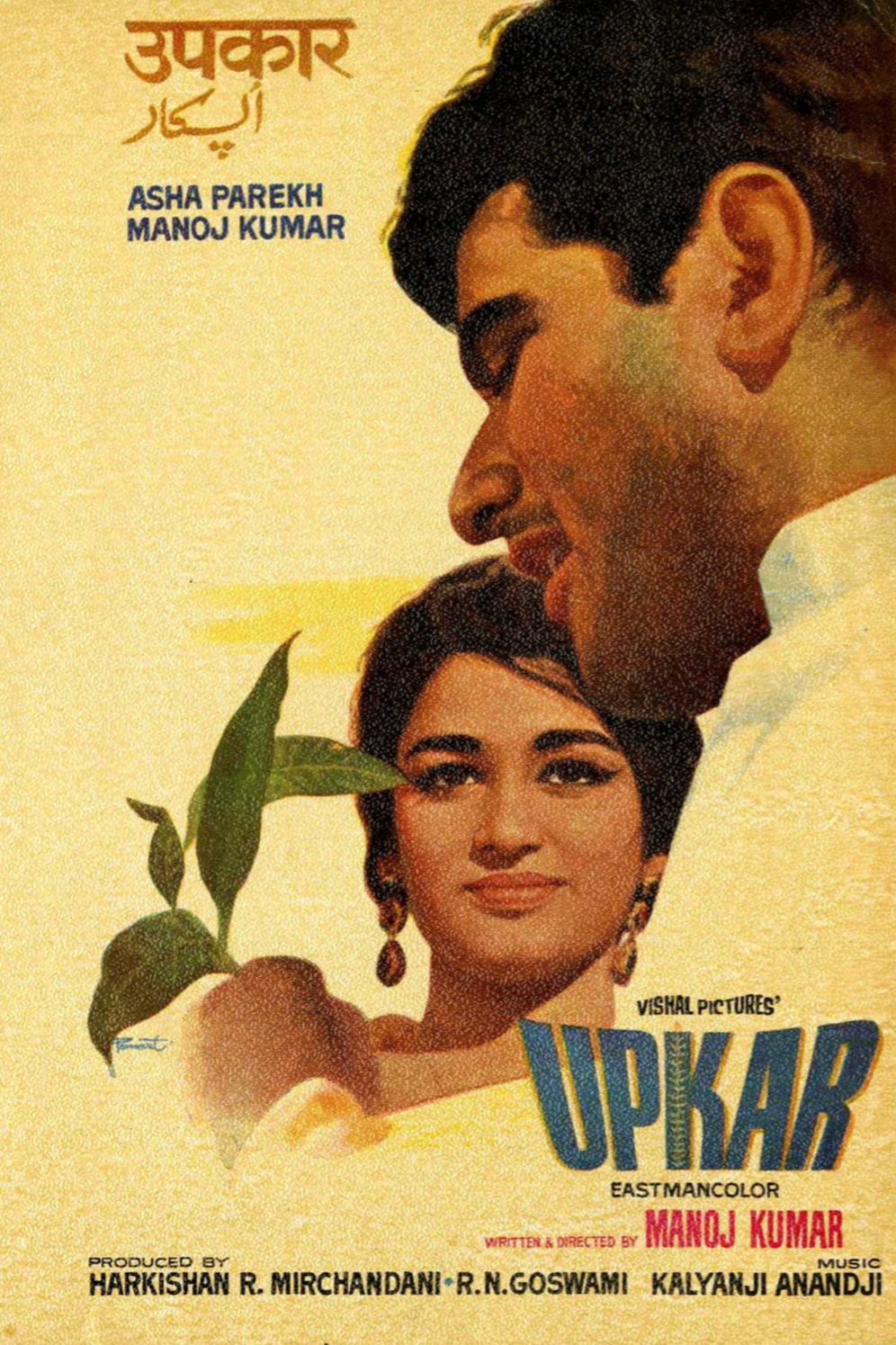
Writer-actor-director Manoj Kumar’s passionate paean to patriotism sailed to salient summits of human reform on the strength of Lal Bahadur Shastri’s slogan ‘Jai Jawaan Jai Kissan’. Manoj Kumar played Bharat, who was both a farmer and soldier in the film. This masterpiece influenced hordes of youngsters to respect the farmer’s vocation and to join the army.
Anand (1970):
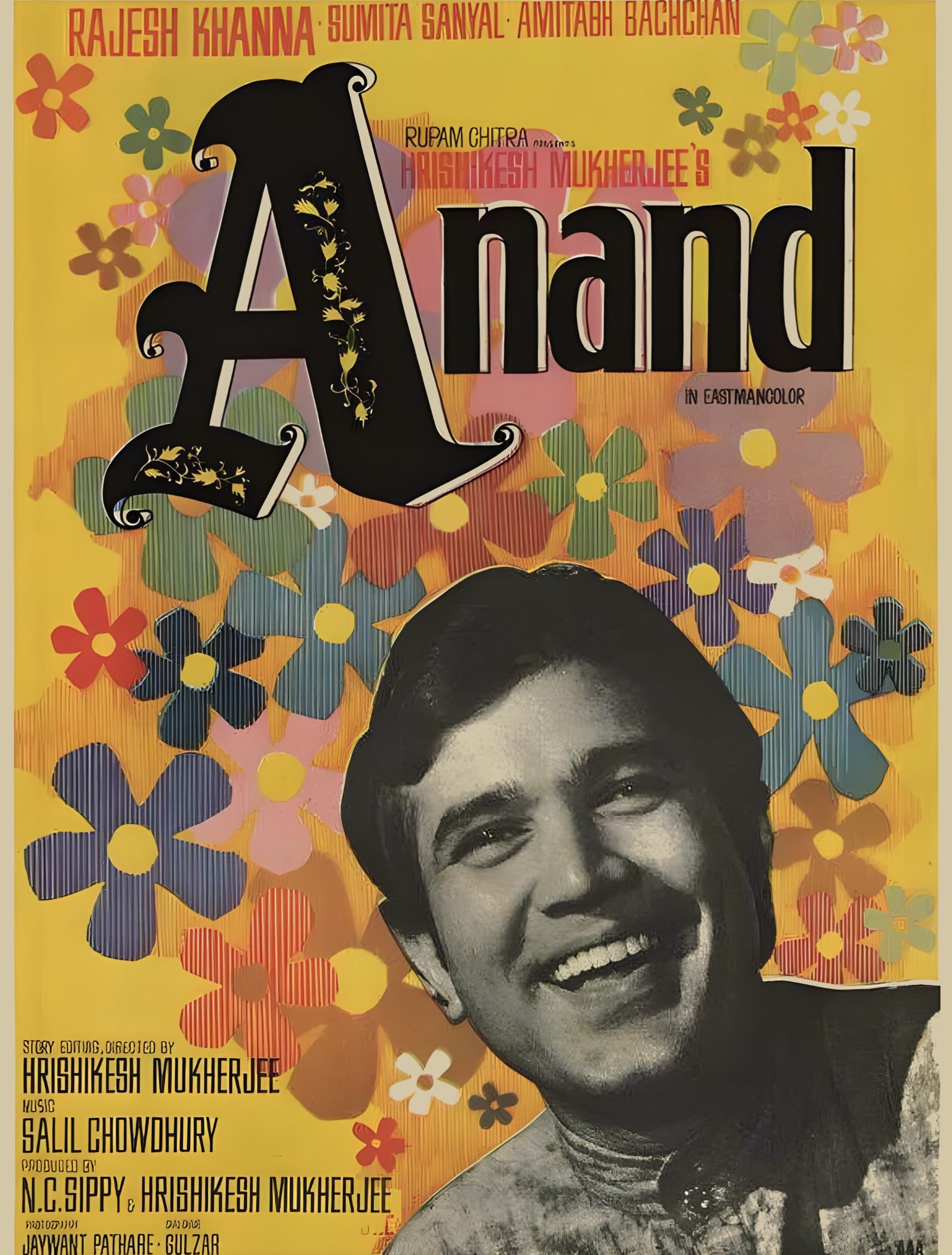
Rajesh Khanna’s unforgettable performance as the dying do-gooder Anand Sehgal, who influences friends and befriends strangers because he believes life is not about size but substance, made such a powerful statement on humanitarianism and bridge-building that for years people used the ‘Anand’ motto of ‘Being Human’. In Hrishikesh Mukherjee’s scheme of existence, you didn’t have to wear the message of ‘Being Human’ on your T-shirt. You wore it on your heart. Anand was the human embodiment of Facebook.
Jai Santoshi Maa (1975):
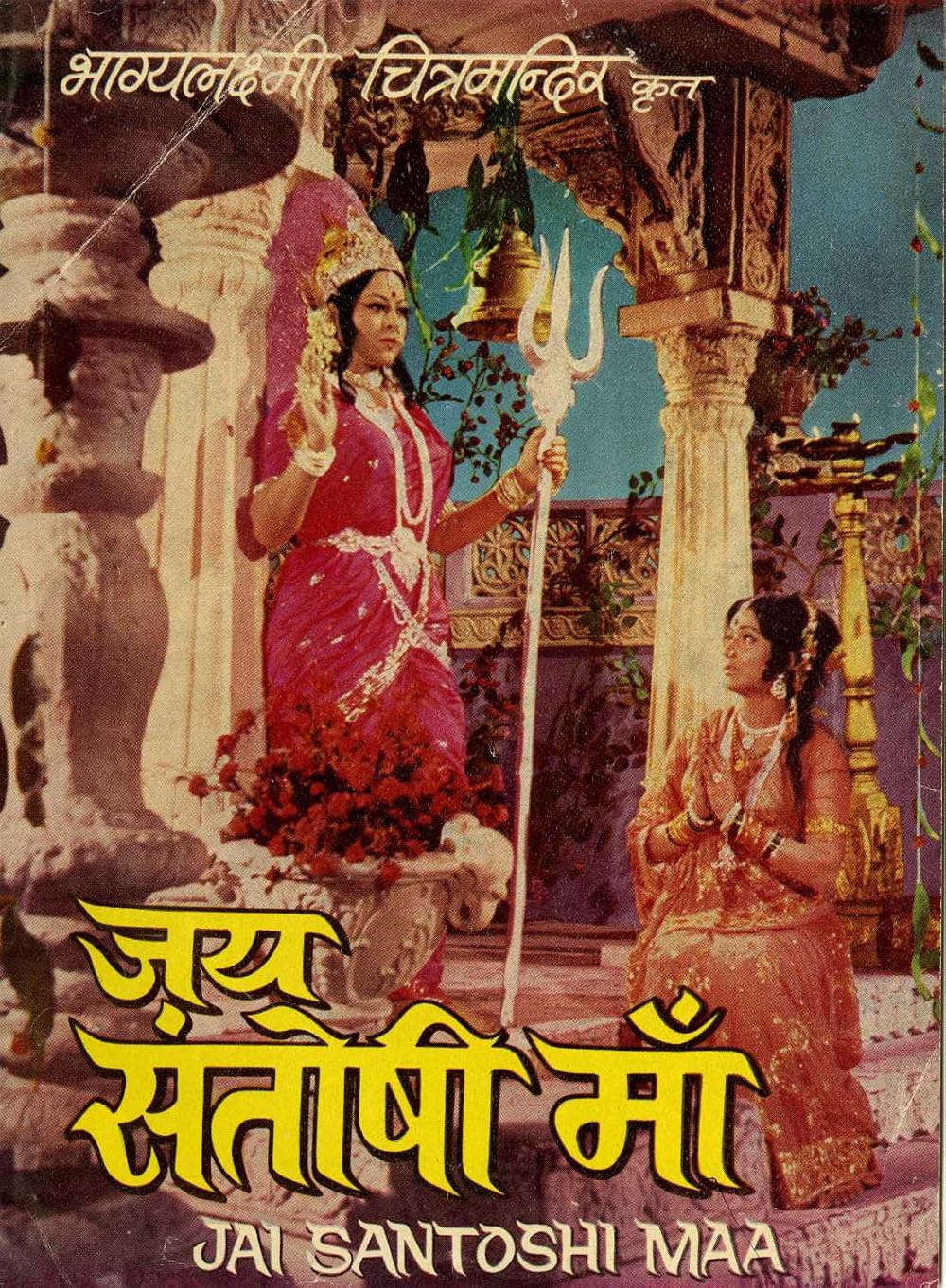
An odd choice, yes. But nonetheless a very important film for giving to the nation a new God to worship. In the year of Sholay, Jai Santoshi Maa, a tacky low-budget mythological with farcical special effects, swept the collective consciousness of North Indian middle-class women. Viewing the film became a form of pooja and pilgrimage. Anita Guha, who played Santoshi Maa (plastic halo and all), was seen as a real-life goddess. No pauranic katha on screen has ever made such an impact before or after.
Arth (1982):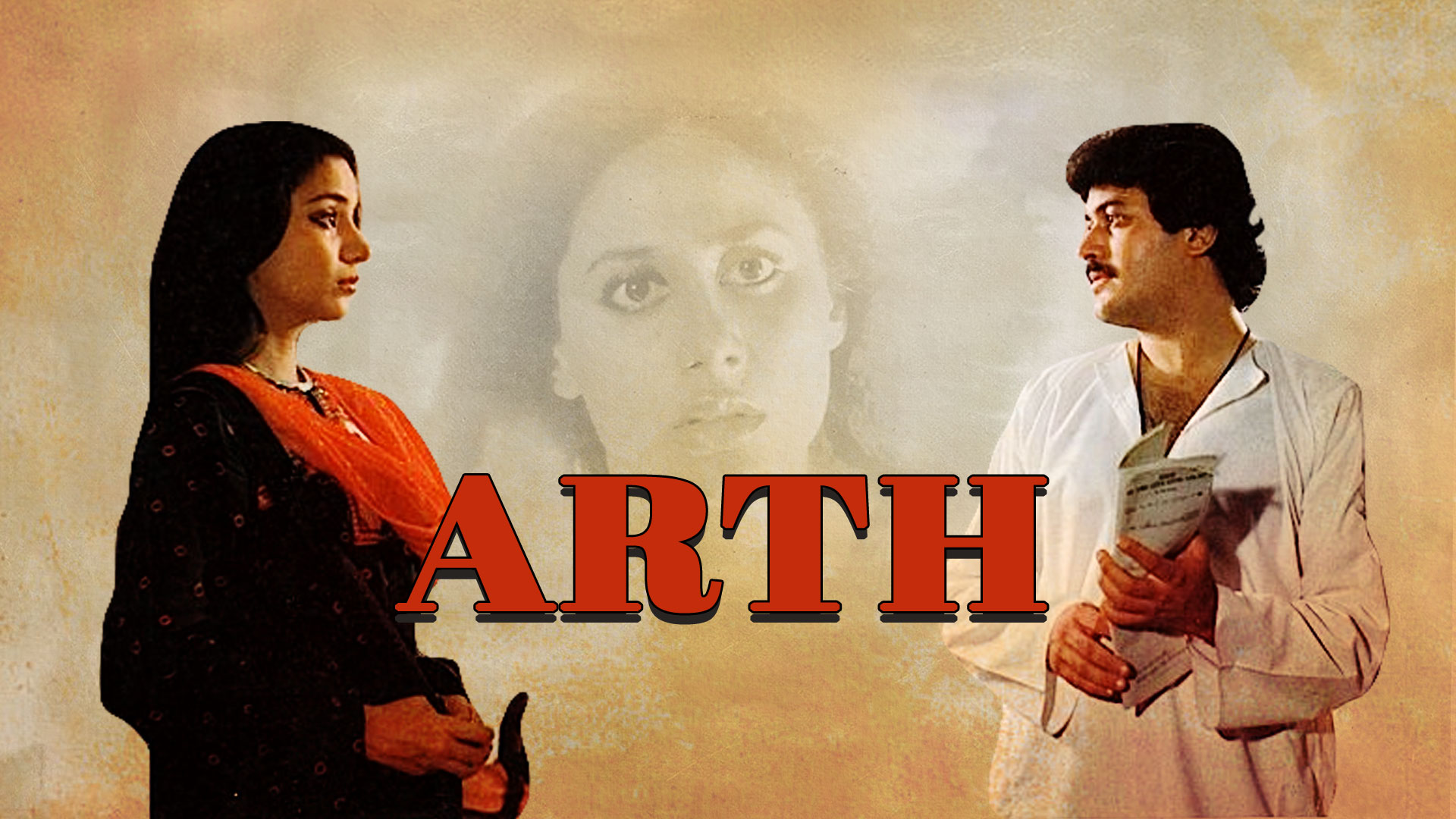
The plight of the deserted wife touched so many women’s lives that Shabana Azmi, who played the iconic role of the abandoned woman who learns to stand on her own feet, is to this day approached by distressed women in search of a home after a rudely terminated marriage. Mahesh Bhatt made no truer film.
Rang De Basanti (2006):
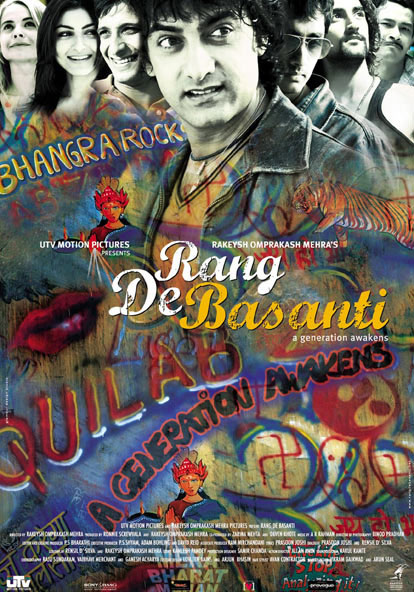
Corruption, as seen and attacked by a group of angry youngsters (and never mind if one of the ‘youngsters’, Aamir Khan, was 40-plus when he did the film), never seemed more eradicable. Rakeysh Omprakash Mehra turned the tale of the vigilante into an extended patriotic anthem. Suddenly protest marches and candlelight vigils became more the norm than the exception.
Lage Raho Munnabhai (2006):
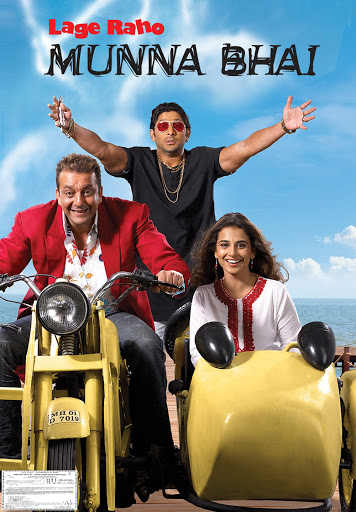
Was it a mere coincidence that after this film’s release incidents of road rage, neighbourly squabbles and petty crimes were reduced substantially? The jadoo ki jhappi became an accepted form of human empathy. We are all still in dire need of some jadoo and some jhappi.
Black (2005):
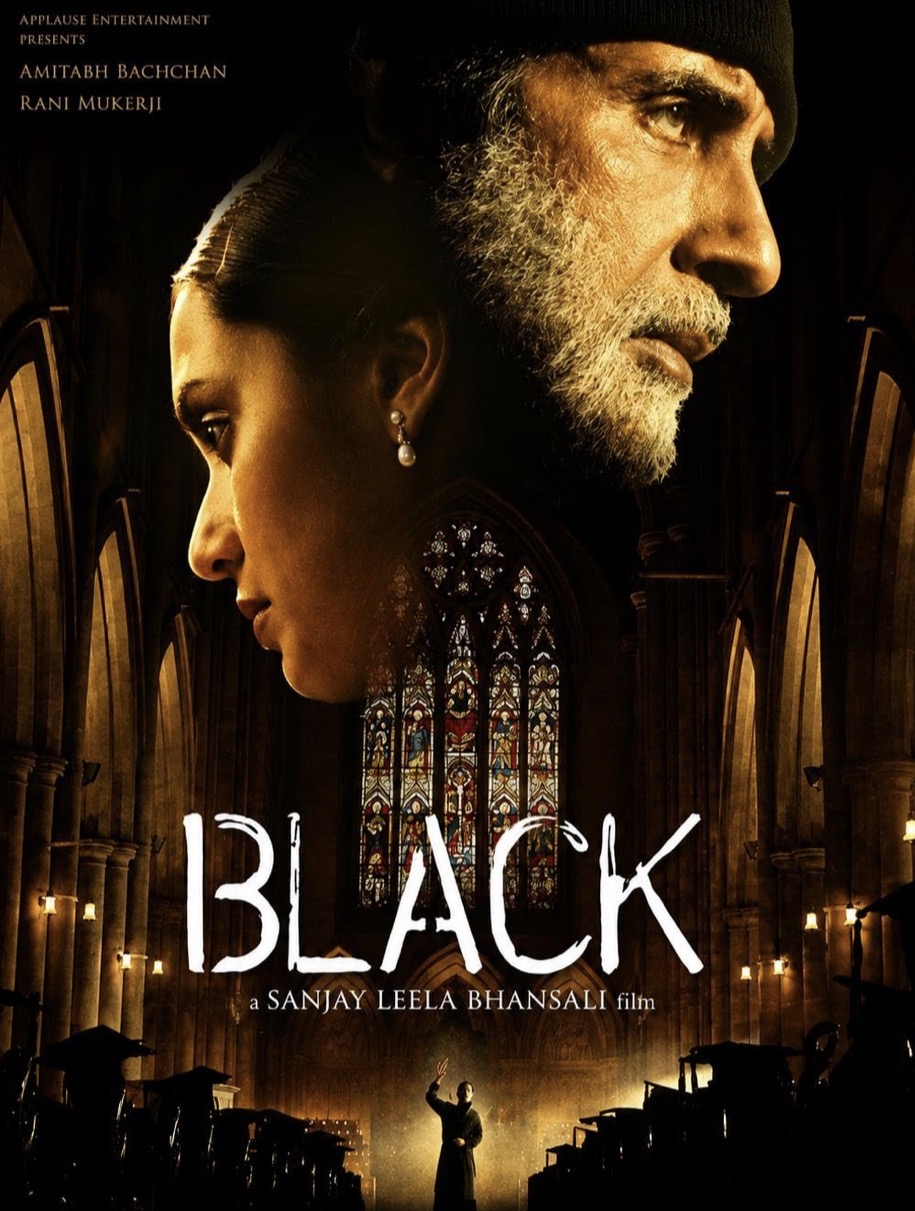
Seriously reconsidering the way we look at the disabled, Sanjay Leela Bhansali’s film opened windows and doors into the dark and heedless world of the blind and deaf. Rani Mukherjee’s rousing role as the disabled and Amitabh Bachchan’s bravura turn as her teacher galvanized many institutes for the specially abled to look within. More importantly, the film connected the physically disabled with the world of the normal.
Baghban (2003):
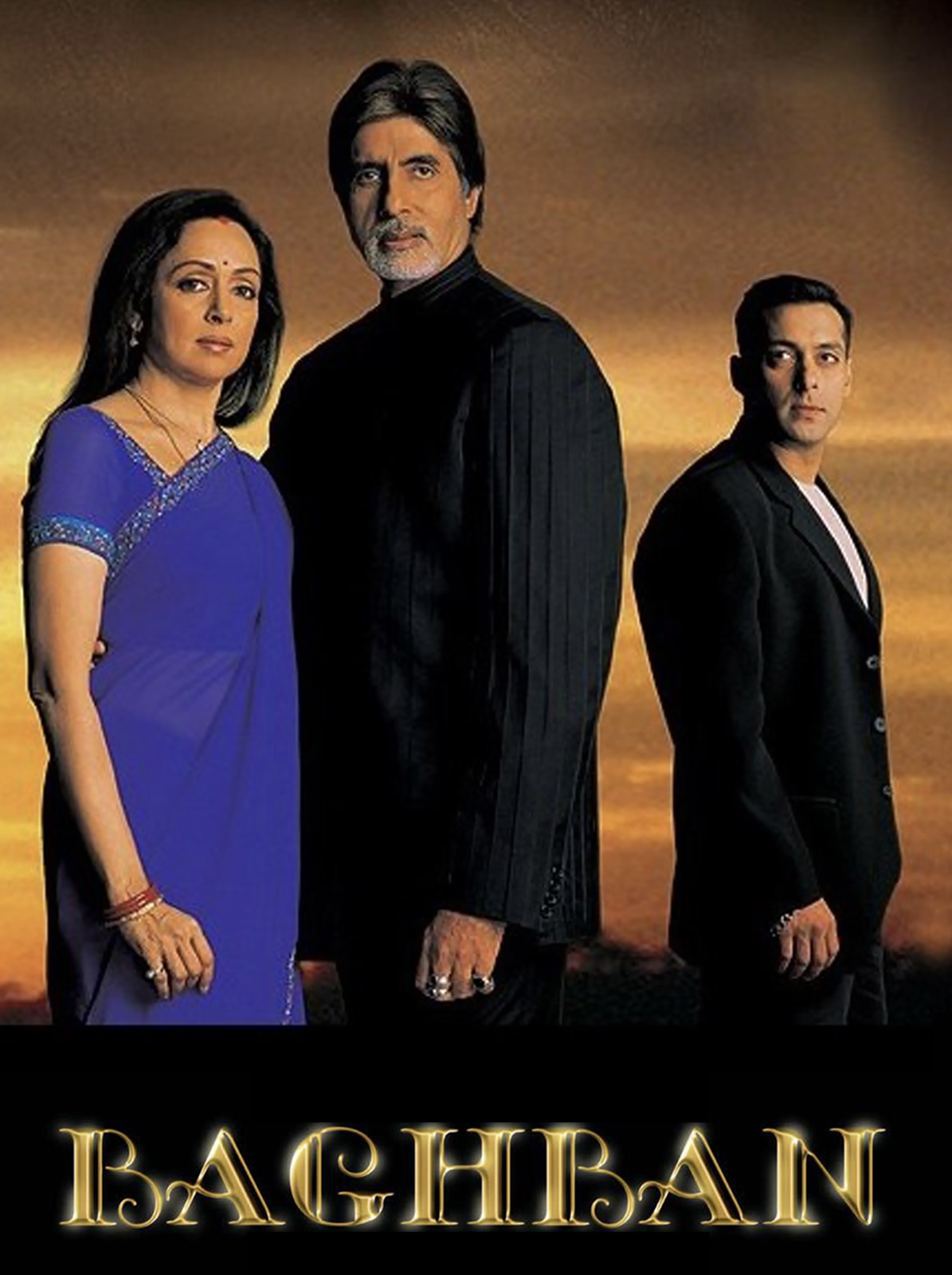
Why do parents become redundant in their children’s lives after marriage? The gloriously beautiful pair Amitabh Bachchan and Hema Malini played a couple torn apart by the eruption of selfishness in their children. The film questioned joint-family values and made ungrateful, disrespectful progenies rethink their attitude towards their aged parents. Earlier, director Ravi Tandon had attempted the same theme in Zindagi featuring Sanjeev Kumar and Mala Sinha. But the impact of Ravi Chopra’s film was resonant and timeless. Even if he had directed no other film, Ravi Chopra was immortalized by Baghban.
Chandu Champion (2024):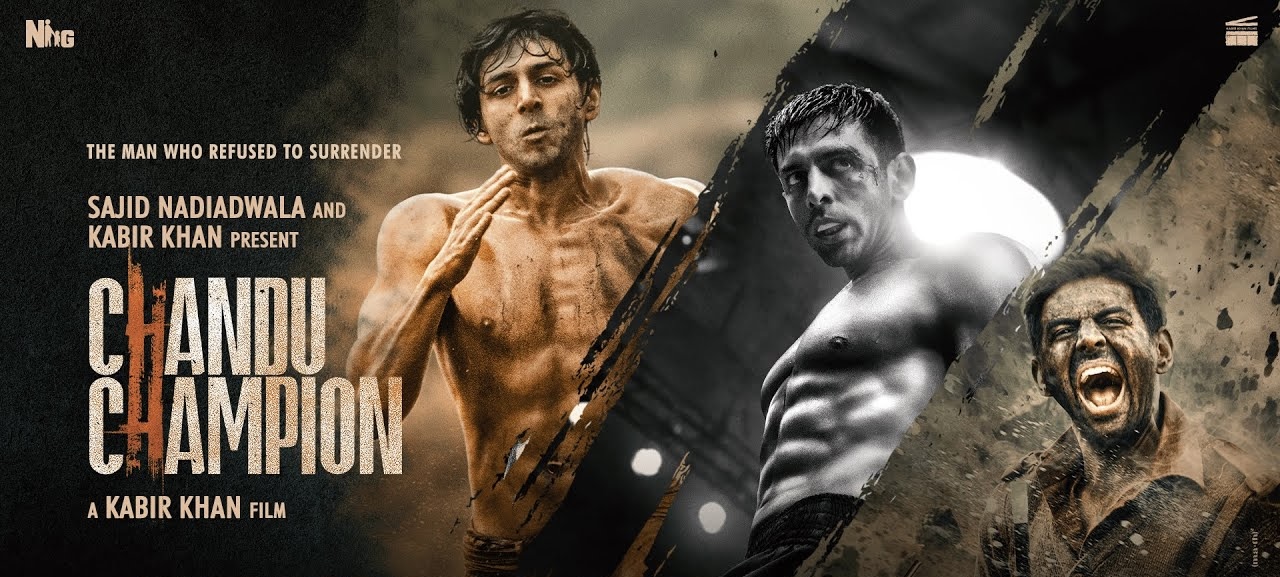
We have seen an abundance of biopics in recent times about sung and unsung heroes, about politicians, gangsters, and sportspersons. Chandu Champion navigates through the underdog’s climb to the top, negotiating all the predictable tropes but ensuring that none of it feels over-familiar or remotely jaded.